


Key Points
- Esports are organized competitive video games played under rules set by leagues, tournament organizers, or publishers.
- Top players train daily, review strategy, and compete in tournaments where teamwork and decision-making matter as much as mechanics.
- Genres, games, and leagues change quickly, but the core is skill-based competition with huge audiences online and in arenas.
Esports Explained
Esports turn everyday games into pressure-cooker competition—scrimmages, scouting, and championships included.
Competitive video game play, also known as esports, has become one of the fastest-growing entertainment industries in the world. A major esports event can draw crowds to arenas to watch live, in addition to millions of online viewers.
Esports are competitive, organized video game matches played under standardized rules. Players often are affiliated with teams or organizations with structured support systems and branding deals, similar to physical sports. Esports games reward discipline, preparation, and performance under pressure in a way casual play usually doesn’t.
Esports Explained in Simple Terms
At its core, esports are competitive video games played under supervision by a ruleset—most often set by the game’s publisher, a league operator, or tournament organizers rather than one universal governing body. The best players in the world will face off with fame and glory on the line. The outcomes are rarely determined by luck, but instead by skill, strategy, and teamwork.
How Competitive Gaming Differs From Casual Play
Casual play was the dominant way to play video games for decades, and it’s still how most people play day to day. But competitive gameplay has become a major way to watch and engage with games.
Professional esports athletes will spend hours each day mastering their craft, studying game tape, and analyzing potential future opponents. At high levels, competitive gameplay can be unrecognizable from casual play for the very same game.
A Brief History of Esports
Esports didn’t appear overnight. Competitive gaming has roots in early organized tournaments and expanded through arcade scenes, LAN events, and online matchmaking, making ranked play accessible to anyone with a connection.
Modern esports are often shaped by publishers and dedicated leagues, which can standardize rules, broadcast formats, and seasonal competition. If you want a quick definition-and-history reference, Britannica’s esports overview is a solid starting point.
Popular Types of Esports
Multiplayer Online Battle Arena (MOBA)
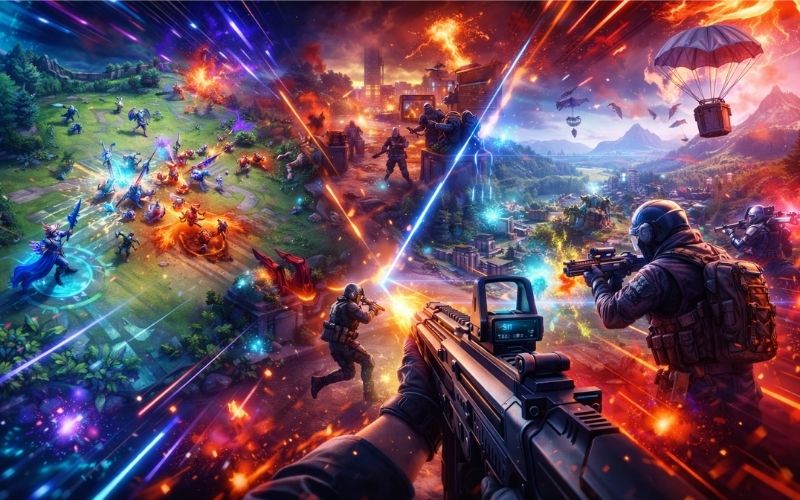
MOBA titles feature two teams attempting to destroy or capture the opposing base while protecting their own. Each player controls their own specific character, all of which have their own unique attributes. Assembling the right team that works well together is crucial in MOBA games, which are among the most popular esports genres worldwide.
First-Person Shooters (FPS)
FPS competitions helped pioneer modern esports, especially as online play and team tactics became the norm. Accuracy, speed, and reaction time are rewarded in FPS games, which require precise communication among teammates to create a viable game plan.
Battle Royale Games
Battle Royale games focus on strategy and long-term planning. They feature many opponents in a single arena, where evading death is the priority until you are the last one standing. Competitive formats can differ significantly from casual gameplay and typically use the aggregate score from several rounds rather than a single battle royale match.
Fighting Games
Fighting games focus on head-to-head matchups that reward timing, patience, and a deep understanding of character mechanics. These titles often have passionate fanbases and heated rivalries between the best of the best.
Real-Time Strategy (RTS)
RTS competitions require players to manage resources and build large-scale armies simultaneously. Planning and multitasking are rewarded in this type of gameplay, making the game lengthy and mentally demanding at high-level play.
Sports-Based Esports Titles
Sports-based esports games have exploded in popularity, with football, basketball, cricket, and racing taking center stage. Familiar rules allow casual viewers to quickly engage in these simulated traditional athletic competitions.
- Quick terms: Meta is the most effective strategy at the moment, and a patch is an update that can shift competitive dynamics.
Most Popular Esports Games Today
League of Legends
League of Legends remains one of the biggest esports ecosystems in the world. Its annual League of Legends World Championship (Worlds) consistently ranks among the most-watched events, and Worlds 2024 set a peak-viewer record in Esports Charts’ tracking.
Additionally, frequent title updates change the meta and ensure there are ever-changing strategies on display.
Dota 2
Known for its complexity, Dota 2 rewards long-term planning. Well-oiled teams gather for their annual international event, showcasing the game’s strategic ceiling.
Counter-Strike 2
Counter-Strike 2 sits on decades of competitive history from the broader Counter-Strike franchise. The FPS exploded in popularity as a real trailblazer that helped define what modern team-based esports could look like.
Valorant
Valorant is a popular game that blends shooting and abilities. Its competitive circuit has rapidly grown, as it doesn’t have the same simplicity as a game like Counter-Strike, but is far faster-paced than other games that rely on character abilities.
Call of Duty
Call of Duty is a household name in the modern era of esports. Its precise shooting mechanics and emphasis on motor skills have allowed it to remain an esports staple over the years.


Fortnite
Fortnite is a much newer game compared to the other popular esports, as it took off in popularity when it redefined the battle royale genre. It appeals to a broad audience as its simplicity allows beginner players to still thrive.
Major Esports Tournaments and Leagues
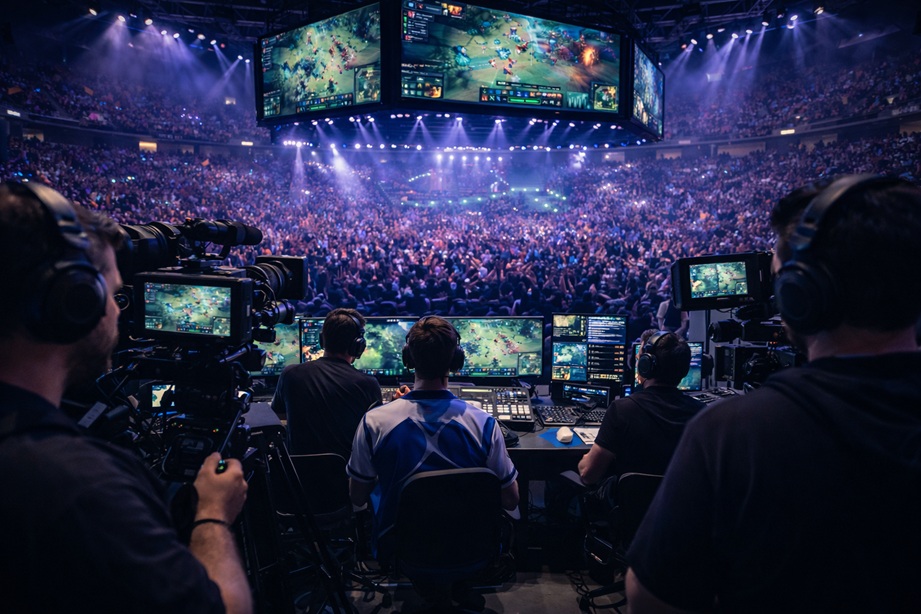
Most esports tournaments follow a similar backbone: qualifiers (open or regional), a league season or group stage, then playoffs to crown a champion. The details vary by title, but the logic is the same—earn your spot, survive the bracket, and close under pressure.
The International (Dota 2)
The International is Dota 2’s most prestigious annual event. Teams will qualify through regional and international competitions before capping things off with a global championship.
League of Legends World Championship (Worlds)
Worlds is one of the flagship esports events across any title. League of Legends has dominated the esports games landscape for years, and its pinnacle event is Worlds. Massive viewership for this multi-week event has set modern esports benchmarks.
Valorant Champions Tour (VCT)
The Valorant Champions Tour provides clear competitive lanes in many regions. If you want the official roadmap-style explanation, Valorant’s own Path to Pro updates outline how teams and players can move from structured competition into the top circuit.
Call of Duty League World Championship
Top teams battle it out in this annual Call of Duty competition that pits fierce rivals against one another.
Overwatch Champions Series (OWCS)
This fast-paced tournament rewards coordination and execution in international Overwatch competition. For current-season structure and qualifiers, the official OWCS welcome page is the most reliable reference.
How Esports Teams and Organizations Operate
Professional Team Structures
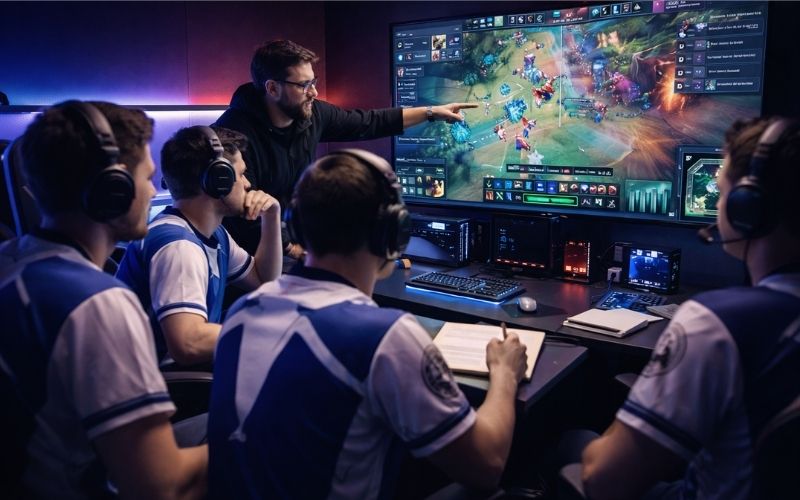
Esports teams are run similarly to traditional sports teams. They sign players, recruit new talent, manage coaching staffs, and develop long-term brand association. In the ever-changing world of esports, major brands compete in multiple esports with their own unique teams.
Coaching, Analysts, and Support Staff
Behind the scenes, coaches shape the identity of an esports player or team. Support staff can also play a role in ensuring that physical wellness and mental preparation are adequate for a big event.
Player Contracts and Training Schedules
Just like physical sports, esports athletes undergo vigorous training regimens that include daily practice, game film study, and opponent breakdowns.
Notable Esports Teams You Should Know
Team Liquid
Team Liquid is one of the largest esports organizations, fielding teams across numerous titles and regions with a long-running presence at major events.
Fnatic
Fnatic has a long history of success in European competitions, with an emphasis on player development over current results.
FaZe Clan
FaZe Clan has done an excellent job at finding mainstream appeal. Its strong presence around the most popular games among casual players has helped bridge the gap between esports and pop culture.
Astralis
Astralis thrives in FPS games and has been known for its elite preparation standards. Its relentless approach has changed how many teams think about practice and international competition.
Evil Geniuses
Evil Geniuses has been one of the biggest teams in North America, blending rising stars and experienced veterans into a coherent unit.
Famous Esports Players
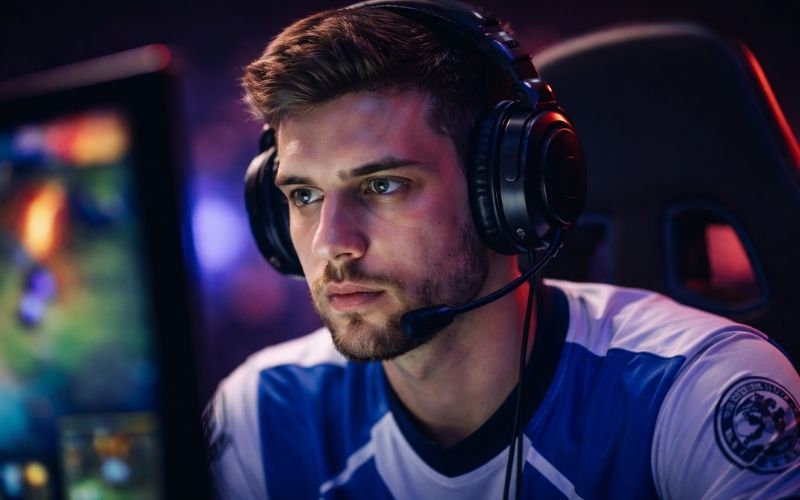
What Makes a Top-Level Player?
The top-level esports players combine mechanical skill with strong, fast decision-making. While anyone can pick up a controller and play, consistency under pressure separates the top-level esports players from the rest.
Well-Known Names Across Different Games
The most famous esports players have drawn global attention from viewers outside of their game. Fame tends to be title-specific and era-specific, though—new patches, new rivals, and new teams can shift who is “the face” of a game quickly.
How Esports Make Money
Sponsorships and Brand Partnerships
The primary income stream for esports players is through brands and partnerships. This can allow the esports players to commit to the game full-time with apparel, technology, and much more comped for the top players.
Media Rights and Streaming Platforms
As with physical sports, selling streaming rights to streaming platforms and media companies allows esports to reach a global audience.
Tournament Prize Pools
The largest events offer hefty sums for the top finishers, giving esports players a reason to rise above their competition.
Merchandise and Fan Engagement
Fan meet-and-greets and other live events create a connection that builds long-term team loyalty.
Esports Audience Growth and Popularity
Global Viewership Trends
Global esports audiences have grown alongside streaming platforms and more professionalized leagues. By some public leaderboards focused on peak viewership, many of the biggest events on record are concentrated in recent years—one reason the top events lists can feel very modern.
Worlds 2024, for example, hit a peak-viewer record in Esports Charts’ reporting.
Streaming Platforms and Social Media Influence
Live-streaming esports on social media platforms can help the brand reach new users who would otherwise not be exposed to esports.
How To Become an Esports Player
There’s no single path to becoming an esports player, but most routes follow the same progression: specialize, build results, then add structure through teams and tournaments.
- Choosing the Right Game: Finding a game that you can thrive at and matches your interests is essential.
- Skill Development and Practice: Constant practice and self-review are necessary for esports players.
- Ranked Play and Competitive Pathways: Finding the right tournament to go from ranked play to regional competitions will allow an esports player to rise in the ranks.
- Joining Teams and Online Leagues: Finding a team in your community can offer valuable experience for aspiring esports players.
Esports Analysis and Match Insights
At higher levels, esports isn’t simply about playing more—it’s about learning faster. Teams and players win by understanding why outcomes happened, not just that they happened.
- Understanding Team Performance: Analyzing what went right or wrong in previous matches can explain why some teams succeed and others fail.
- Player Statistics and Recent Form: Recent form and player statistics can put a quantitative spin on the best esports players in the world.
- Game Patches and Meta Changes: Shifting strategies to best align with the current meta will allow esports players to stay ahead of the competition.
The Impact and Future of Esports
Esports already influences entertainment, education, and technology. The next wave is likely to focus on infrastructure—better pathways, better broadcasts, and better tools for training and analysis.
- Esports in Education and Universities: Many institutions now offer classes and programs on esports and careers in the industry.
- Mobile and Console Growth: As we become more connected than ever, mobile and console growth can be attributed to the rise of esports.
- The Role of Technology and AI: Artificial intelligence will shape the future of esports with in-depth performance analysis now available.
- Where Competitive Gaming Is Headed: As infrastructure continues to grow, esports will only become more involved in global entertainment.
Final Thoughts on Esports and Competitive Gaming
Many people have asked what are esports, and they represent an ever-shifting change in sports during the digital age. Competitive gameplay continues to shape how casual fans view modern-day video games. It is safe to say that esports are here to stay.
Frequently Asked Questions
Esports can feel like its own world at first—different games, different leagues, and a lot of new vocabulary. The questions below cover the basics people usually want to know right away.
What are Esports?
Esports are organized competitions in video games where players or teams follow a defined rule set and compete in leagues or tournaments. Outcomes are driven mostly by skill, strategy, and teamwork rather than luck. Many matches are played online, but major events can also be held in arenas.
What is the difference between esports and gaming?
Gaming is any kind of video game play, usually for fun and with flexible goals. Esports are the competitive version: structured rules, scheduled matches, rankings or brackets, and rigorous training. The same title can feel totally different in esports because teamwork, strategy, and consistency are emphasized.
What are the biggest esports games in the world?
The biggest esports games are the titles with large competitive ecosystems, steady tournaments, and strong fan bases. Common staples include League of Legends, Dota 2, Counter-Strike, Valorant, Call of Duty, and Fortnite. Popularity shifts by region and year, so the biggest depends on the metric used.
How do esports tournaments work?
Most esports tournaments use a qualification stage, then group play or a league season, and finally playoffs to decide a champion. Some titles run regional leagues that feed into global events, while others use open qualifiers. Competitive formats also vary by game, including single-elimination, double-elimination, or multi-stage brackets.
Can anyone become an esports player?
Anyone can start competing, but reaching the professional level takes sustained practice, strong results in ranked or amateur events, and teamwork experience. Most players improve by choosing one main game, reviewing their own matches, and playing in organized leagues or qualifiers. Progress varies by title and regional competition depth.
About the Author
Spencer Toth is a sports writer and analyst covering the NBA, NFL, MLB, NHL, and major soccer leagues. His work has appeared with outlets such as DocSports and Sportsbook Review, and he has contributed SEO-driven sports content for brands including DraftKings and Elite Sports NY. Spencer specializes in sports trends and matchup analysis—skills he applies to analyzing competitive ecosystems such as esports with a clear, fundamentals-first approach. He also works as a soccer referee.

 Share on