


When it comes to sports predictions, some games consistently provide better odds for accurate predictions. Whether you’re analyzing team stats or tracking player performance, certain sports stand out for their relative predictability. Below, we examine which sports are easier to predict and which ones keep you guessing.
At Sportzino, we have one of the most extensive sports choices for predictions, ensuring a perfect environment for sports pickers. But which sport is the easiest to predict? We’ve looked into where players can make the easiest predictions.
Which Sport Is the Easiest to Predict?
Whether you’re a football or soccer fan, predicting results follows a similar pattern. Our analysis has examined where the easiest predictions lie.
Combat Sports:Boxing and MMA

Boxing and MMA are often more predictable due to fighter stats, win streaks, and matchup styles. When a dominant fighter enters the ring, the result can feel almost certain, especially when odds heavily favor one side.
Combat sports provide some of the easiest predictions. The underdog rarely wins in combat sports, making it the best sport to predict, particularly for beginners. However, there are some caveats to this. Firstly, it’s best to avoid the main events on big cards. This is where most upsets take place, so it removes the advantage. Stick to the undercard, as favorites typically dominate.
Secondly, look for extra markets to improve the odds. Choosing a fight to go over a certain number of rounds can make boxing one of the most profitable sports to predict.
Football
Football offers loads of data, from team form to injury reports, that help make informed predictions. However, weather conditions and turnovers can occasionally throw off forecasts, especially in college football, where upsets are more common.
College football is another option for easy predictions. There’s an even starker contrast here than in the NFL. The most powerful colleges offer much stronger teams than weaker colleges. Even though the best players leave for the NFL each year, the best colleges can replace them with high-quality prospects. Anyone looking for the best sport to predict should think hard about choosing college football.

Soccer
Despite being a low-scoring sport, soccer’s structured leagues and historical stats help players anticipate outcomes. Premier League and Champions League matches are especially data-rich for analysis.
While soccer isn’t massively popular in the US, it offers excellent prediction options. However, players should refrain from trying to predict game results, as this provides the lowest level of success. The best value in soccer lies in the in-game stats markets.
There are multiple stats available for these markets which provide the best chances of success.
- Goalscorers
- First goal
- Over/under
- Cards
The goalscorers market relates to whether a player will score in a game. Certain players are more likely to score than others, which gives a better chance of success. Harry Kane is one player who scores regularly.
The first goal market relates to who scores the first goal. Data on who scores early in games is available, making this one of the easiest sports to predict.
The over/under market covers a range of stats: goals, cards, throw-ins, corners, and more. Here, players can analyze the stats of different teams and find out what’s most likely to happen. It’s one of the most popular markets, and when combined with data, it has a reasonable success rate.
When a player carries out a bad foul, they get a card. Yellow is for medium severity, and red is for the worst fouls. Users making predictions can select players who are likely to get a card. With some players being more aggressive than others, it’s an accessible market to predict. Someone like Casemiro or Joao Gomes regularly receives yellow cards.
Basketball

Basketball—especially the NBA—is one of the most predictable sports due to the sheer volume of scoring and consistent player performance. Metrics like field goal percentages and player efficiency ratings make prediction models highly effective.
It’s another sport where the best teams tend to dominate. Like the NFL, the NBA uses the draft system; teams tend to have a golden era where they dominate for a long time. The Bulls, Warriors, Lakers, and Bucks have all had periods where their draft picks have created dynasties.
These teams will change over time, meaning players must keep up with the latest results to discover which teams dominate. However, with minimal knowledge, players can pick up who the current strongest teams are and, from there, have regular success with their predictions.
The NCAA provides a similar story. College basketball follows the same system as college football. As a result, the top colleges can create a production line of excellent players. It keeps them on top and makes it simple to predict the winners of games regularly. However, the round-robin nature of March Madness increases the difficulty, so expect a different level of success there.
Volleyball
Volleyball, particularly in international competitions, offers moderate predictability. Top teams tend to dominate tournaments, and set-based play allows momentum to build visibly throughout a match.
As a less popular sport, volleyball often gets overlooked. However, it has one of the highest incidents of favorites winning in any sport. As a result, it’s an extremely valuable option for beginners. The lack of data available for volleyball isn’t much of an issue due to the dominance of the favorites, but it means extra markets aren’t as accessible.
For example, the over/under market is more complex to predict because there’s less data in place. So, anyone looking to make moneyline volleyball picks will find easy, but extra markets don’t offer the same level of success.
The randomness of hitting, unpredictable bullpen performance, and frequent upsets make it a statistical puzzle, even for seasoned analysts.
New Insights: Which Sports Offer the Steadiest Predictions?
Let’s break down additional sports where predicting outcomes is often based on reliable performance trends and historical data.
College Basketball: Team Rankings Drive Accuracy
Rankings, player stats, and home-court advantage often shape college basketball predictions. March Madness is an exception, as upsets are common, but regular-season games follow a more predictable trend.
NBA: Performance Metrics Shine
In the NBA, predictability increases due to player consistency, coaching strategies, and advanced analytics. Long seasons provide ample data, and top-tier teams often cover the spread.MLB: A Game of Numbers—and Surprises
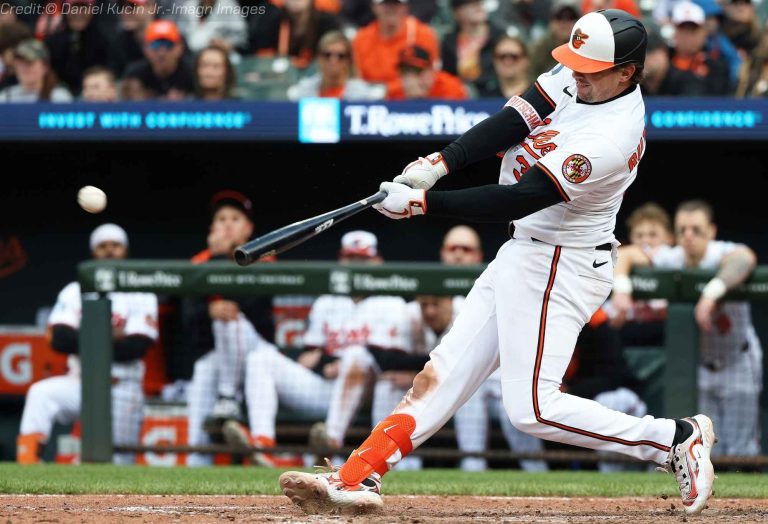
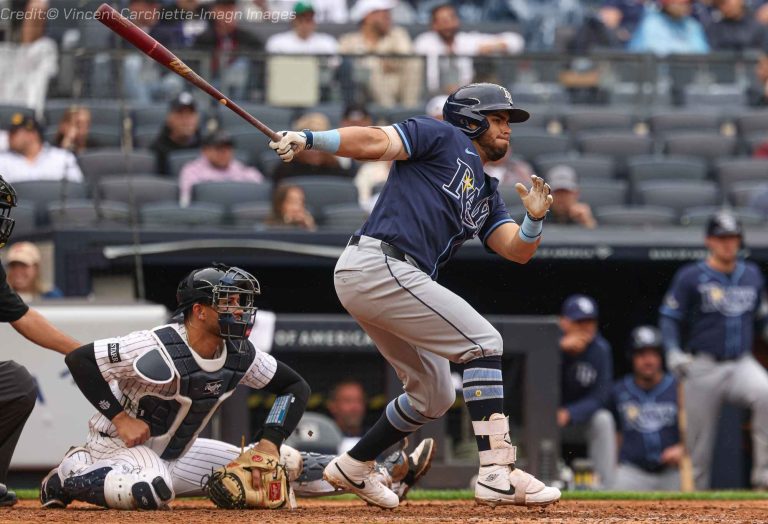
Baseball remains a challenging sport to predict consistently due to variables like bullpen usage and batting slumps. However, during the postseason or with ace pitchers, patterns can become clearer.
NFL: Data-Driven, Yet Volatile
The NFL is rich in data and matchups, making it attractive for predictions. Still, any given Sunday can produce surprise results, especially in divisional rivalries or weather-affected games.
Horse Racing: Conditions Make the Call
While not a team sport, horse racing has its own metrics—jockey stats, track conditions, and horse pedigree. Major events like the Kentucky Derby offer deep insights, but unpredictable variables keep it challenging.
NHL: Momentum Over Metrics
The NHL is less predictable than other major leagues due to its low-scoring nature and unpredictable momentum swings. However, teams on hot streaks or strong power plays tend to offer better prediction opportunities.
What Sport Is the Hardest to Predict?
Baseball: The Ultimate Wild Card

Among all sports, baseball often tops the list as the hardest to predict. The randomness of hitting, unpredictable bullpen performance, and frequent upsets make it a statistical puzzle, even for seasoned analysts.

 Share on